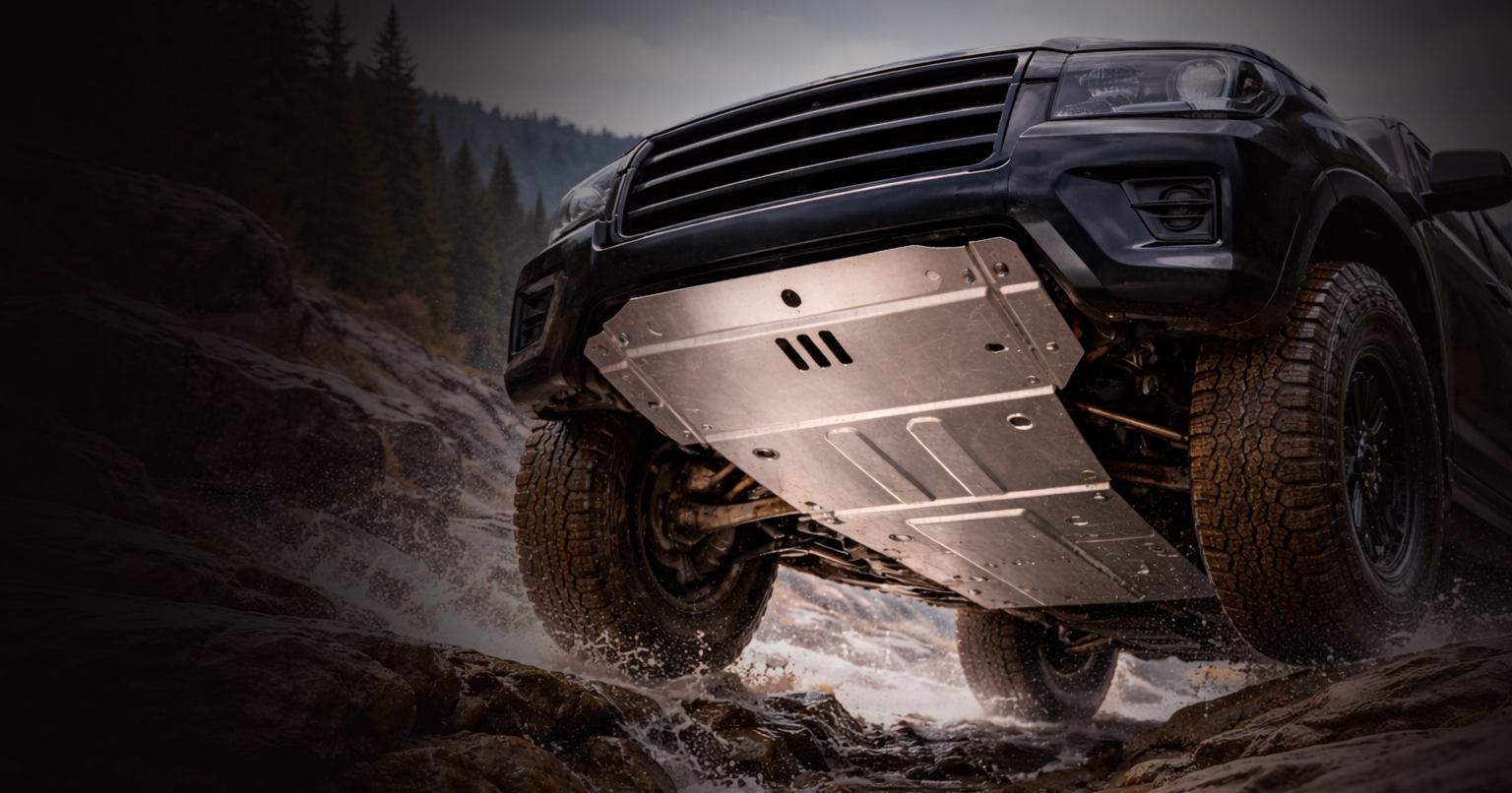
Steel Ford Ranger Underbody Protection
Explore vehicle-specific Ford Ranger underbody protection for 2010–2026 pickup models.
Available 2 mm and 3 mm steel skid plates help protect exposed lower components from road debris, speed bumps, curbs, potholes, gravel roads, rough roads and light off-road impacts. Available protection may include the engine, front bumper area, gearbox, fuel tank, DPF, transfer case and radiator, depending on the selected plate.
Choose the Ford Ranger underbody protection plate or skid plate combination that matches your model year, drivetrain, configuration and driving conditions.
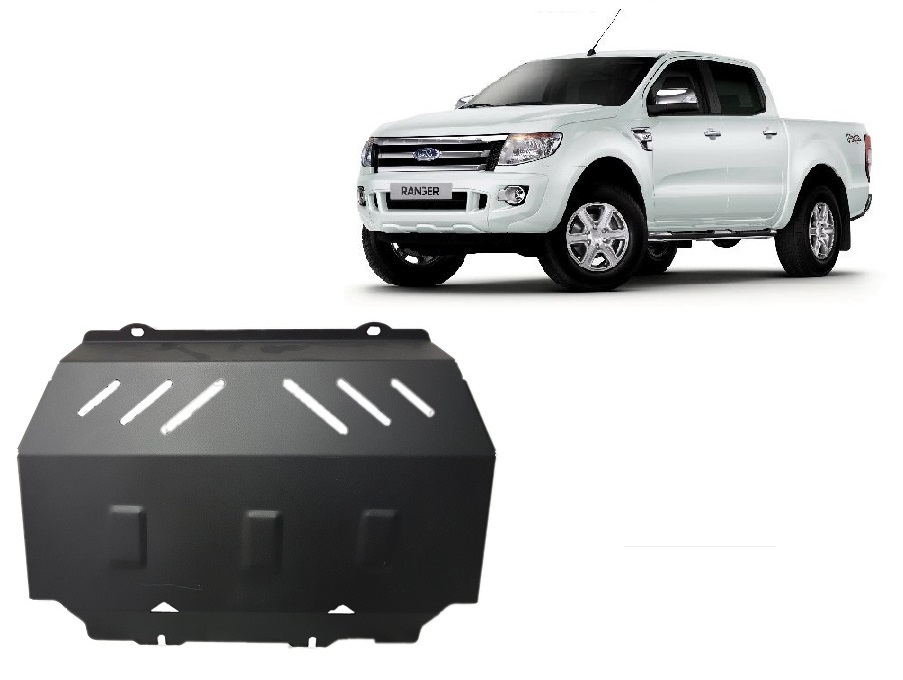
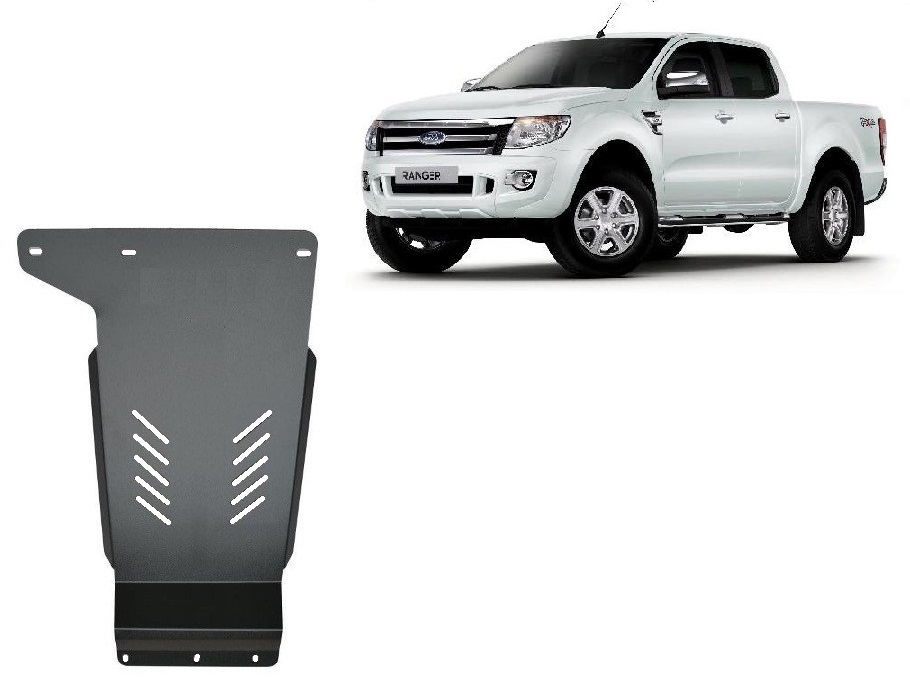
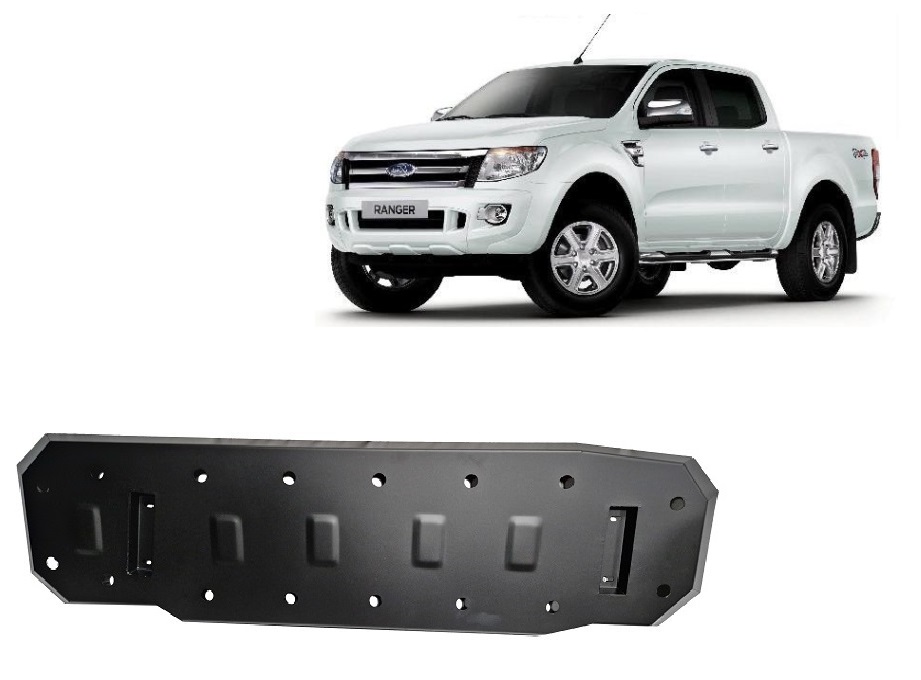
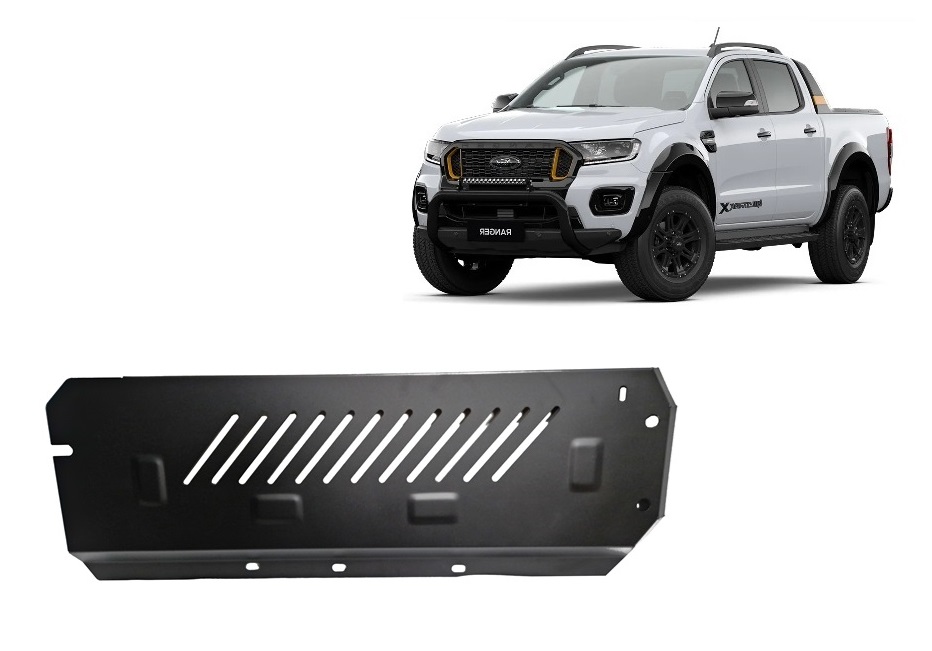
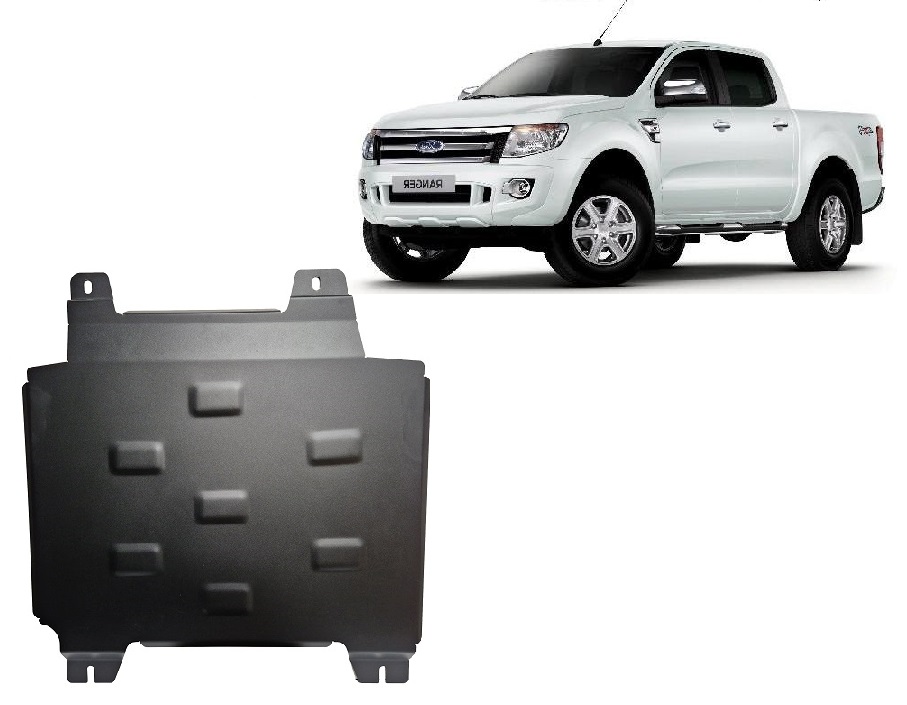
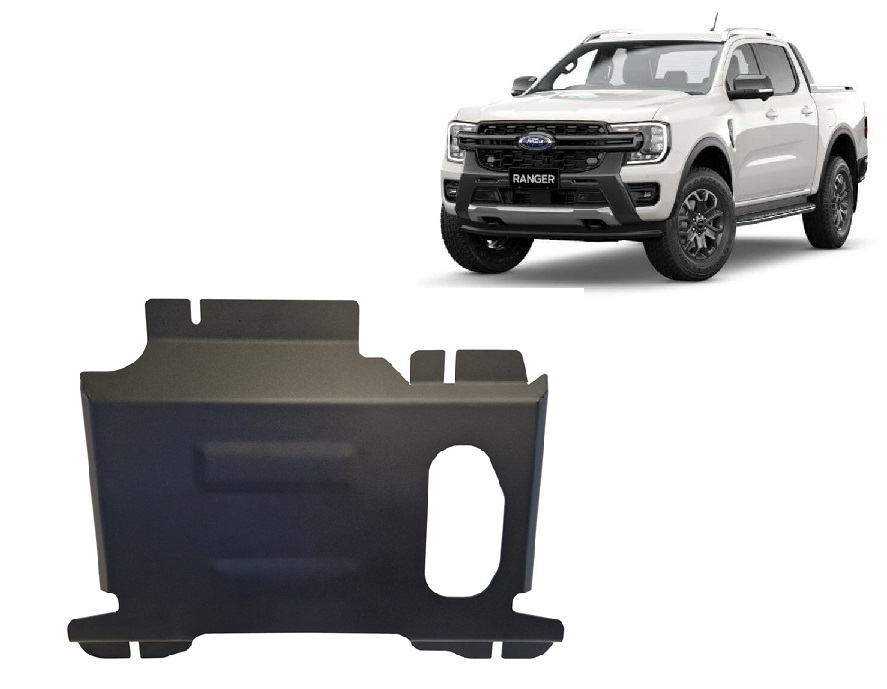
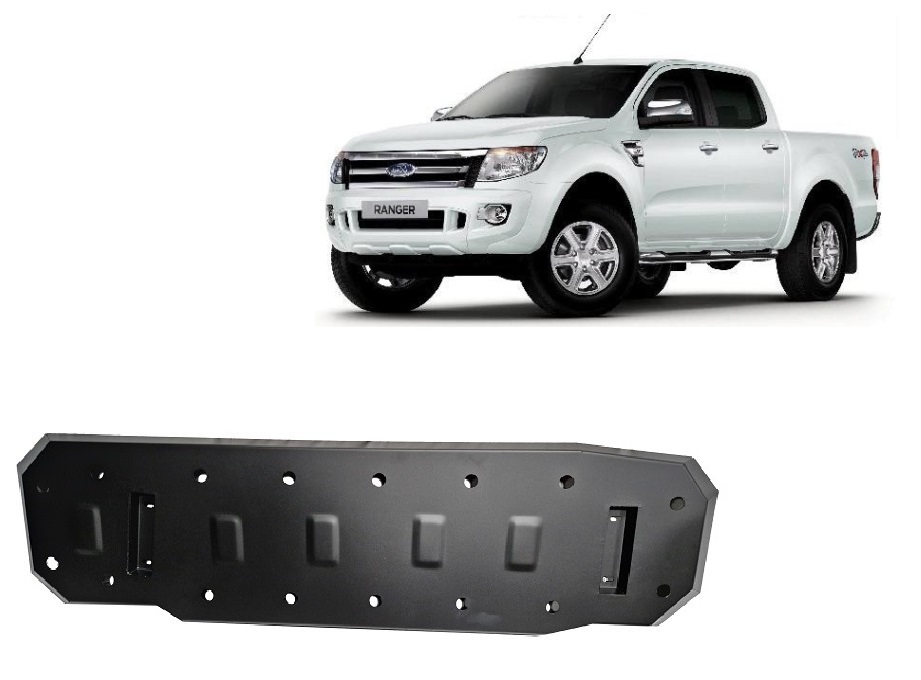
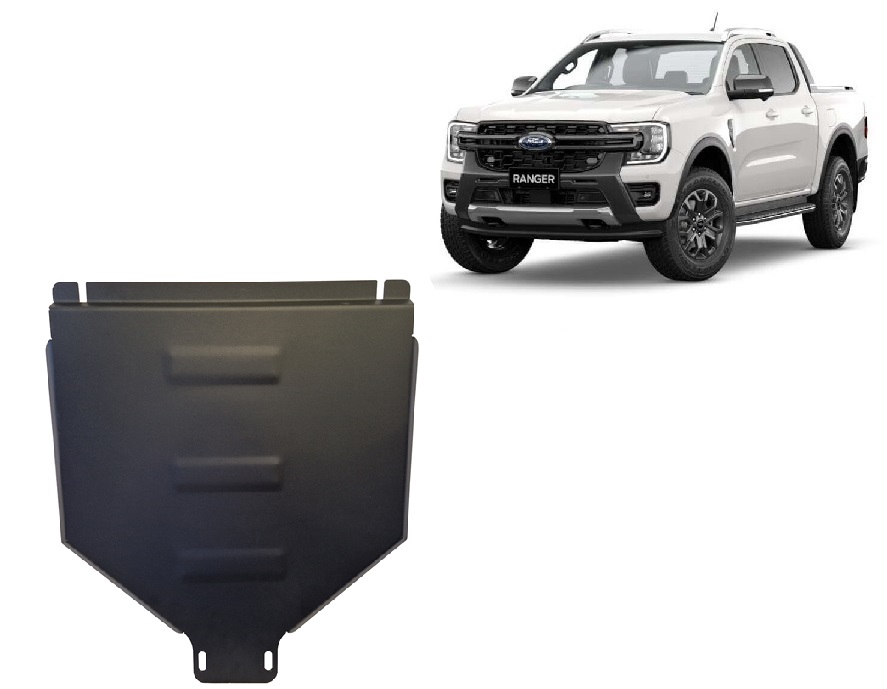
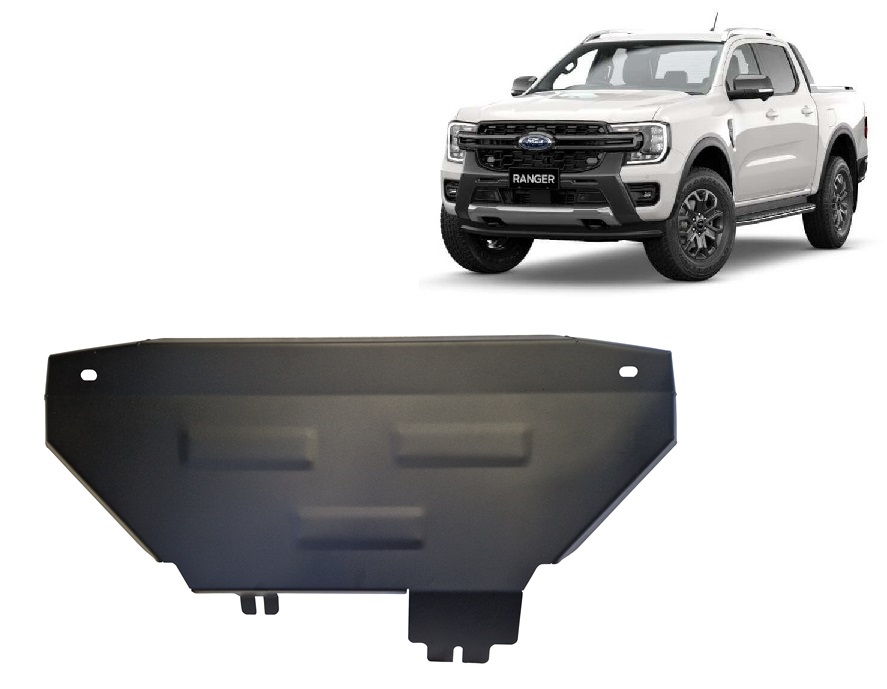
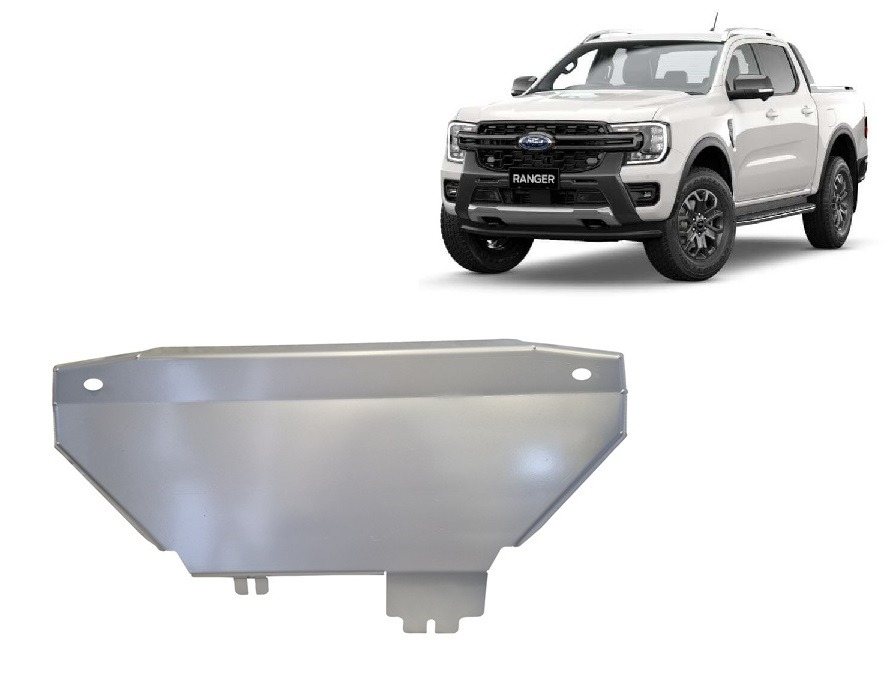
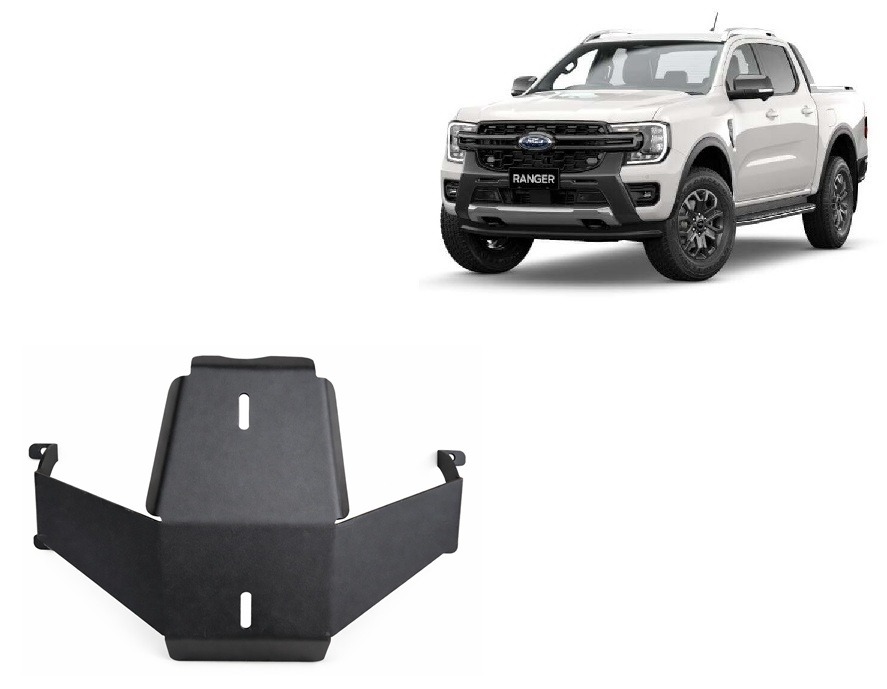
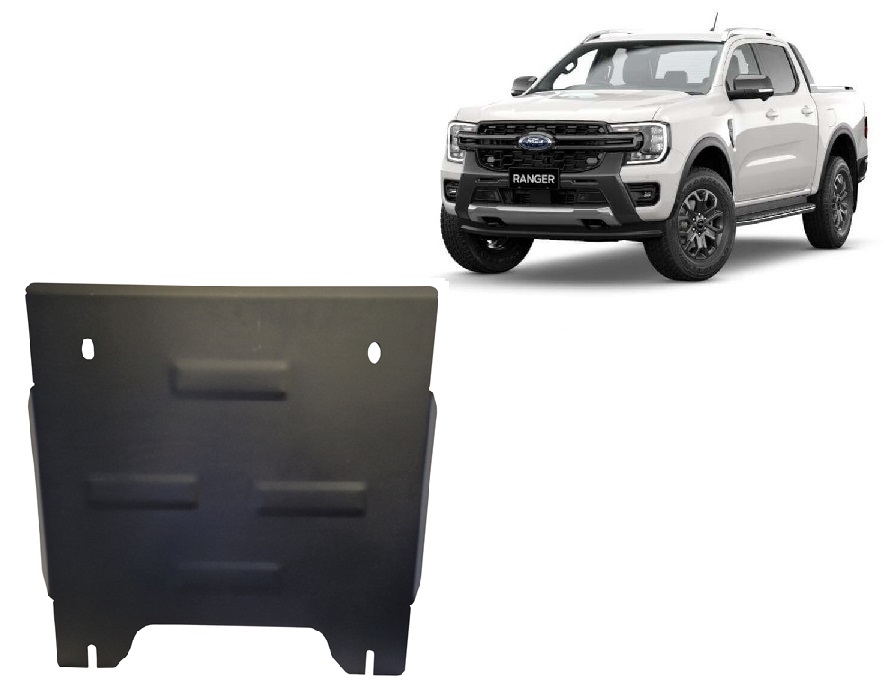
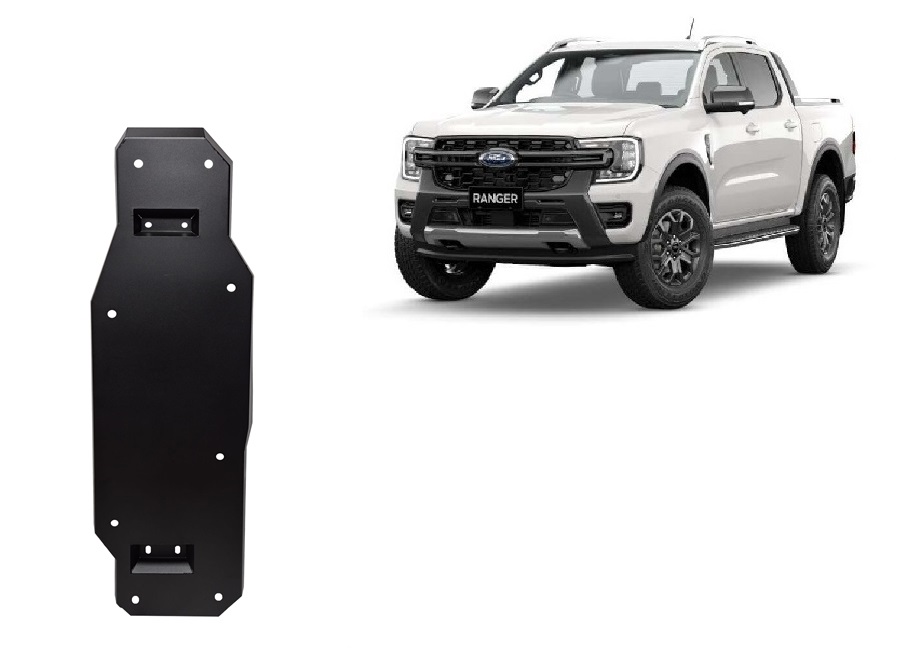
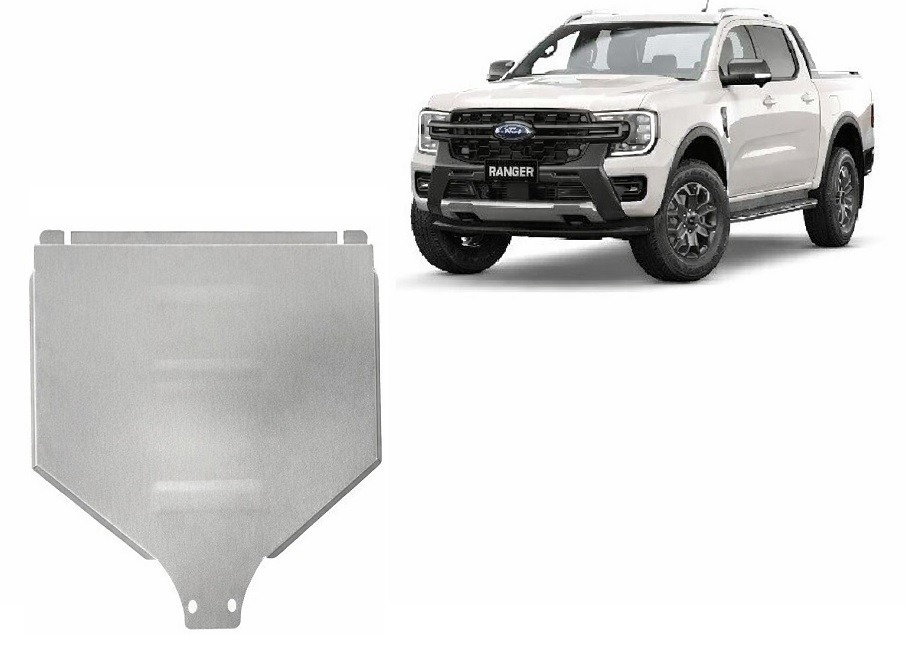
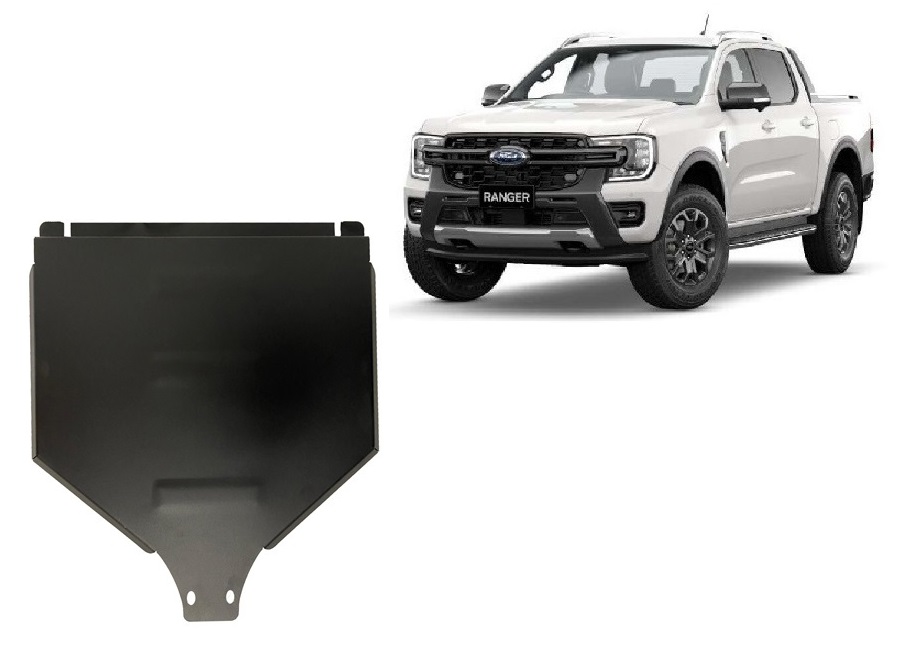
Ford Ranger Skid Plates and Underbody Protection
The Ford Ranger is widely used as a work pickup, towing vehicle, utility vehicle and off-road-capable 4×4. Because it is often driven on gravel roads, construction sites, forest tracks, rural routes and uneven surfaces, exposed components underneath the vehicle may be vulnerable to stones, road debris, deep potholes, mud, compacted snow and accidental contact with the ground.
Vehicle-specific Ford Ranger underbody protection creates a durable barrier between the road and important mechanical components. Depending on the model year and selected product, available skid plates may protect the engine, front bumper area, gearbox, transfer case, DPF, radiator, fuel tank or several components with one combined protection system.
Ford Ranger Models and Production Years
Our range includes underbody protection for Ford Ranger pickup models produced from 2010 to 2026. Compatibility depends on the exact generation, production year, engine, transmission, drivetrain and protected component.
Ford Ranger vehicles may differ significantly between generations and drivetrain configurations. Even models produced in similar years can use different underbody layouts, mounting points, exhaust systems and fuel tank positions. For this reason, the correct skid plate should be selected using the exact vehicle details rather than only the model name.
Before ordering, check:
- the exact production year;
- the Ranger generation;
- the engine version;
- manual or automatic transmission;
- 2WD or 4×4 drivetrain;
- the component that requires protection;
- the material and thickness of the skid plate.
Engine and Front Bumper Protection
The engine oil sump and lower front section are among the most exposed areas underneath a Ford Ranger. Stones, road debris, curbs, deep ruts and uneven ground can damage the oil sump, lower engine components or front bumper underside.
An engine skid plate provides stronger mechanical protection than a standard plastic undertray. Depending on the product, one plate may protect the engine and front bumper area together, while other versions may focus specifically on the engine or radiator section.
Engine protection is especially useful for pickups used on construction sites, farms, gravel roads, forest routes and other areas where contact with loose stones or uneven terrain is more likely.
Gearbox and Transfer Case Protection
The gearbox and transfer case are positioned further underneath the vehicle and may remain exposed even when an engine skid plate is installed. For 4×4 vehicles used on rough roads or off-road routes, additional protection can reduce the risk of direct impact damage.
Some Ford Ranger skid plate combinations extend from the engine area toward the gearbox and transfer case. This creates more complete underbody coverage and may be useful for vehicles regularly driven in demanding conditions.
Always check the product title and specifications to confirm which components are covered, because some plates protect only one section while others provide combined protection.
DPF and Exhaust System Protection
Selected Ford Ranger models are available with dedicated DPF protection. The diesel particulate filter and nearby exhaust components may be exposed to stones, road debris and direct impact from uneven ground.
A DPF skid plate helps shield the lower section of the filter and surrounding components. This can be especially relevant for diesel pickups used on gravel roads, work sites, agricultural land and rough access routes.
DPF position and exhaust layout may differ between engines and model years, so compatibility should always be confirmed before ordering.
Ford Ranger Fuel Tank Protection
The fuel tank is a large and important component located underneath the vehicle. Depending on the Ford Ranger version, parts of the tank may be exposed to stones, debris, deep ruts and accidental contact with the ground.
A dedicated fuel tank guard provides an additional metal barrier underneath the tank. This may be useful for pickups used for towing, work, rural driving and light off-road use.
Fuel tank protection must match the correct vehicle generation, fuel tank shape and mounting position. Different Ford Ranger versions may use different layouts, even within similar production years.
Radiator and Lower Cooling-System Protection
The lower radiator and cooling-system area can be vulnerable to impacts from stones, branches and road debris. Damage in this area may lead to coolant loss or overheating.
Selected Ford Ranger skid plates protect the radiator together with the engine or front bumper area. Combined protection can provide broader coverage for the front underside of the vehicle.
Check the individual product description to confirm whether radiator protection is included in the selected plate.
2 mm and 3 mm Steel Ford Ranger Skid Plates
The Ford Ranger underbody protection range includes 2 mm and 3 mm steel skid plates, depending on the vehicle generation and protected component.
2 mm steel protection can provide effective coverage for everyday driving, gravel roads and occasional use on uneven surfaces. It offers a practical balance between strength and additional weight.
3 mm steel protection is better suited to demanding work applications, rough roads, construction sites and more frequent off-road use. The thicker material provides greater resistance against impacts and deformation.
The most suitable thickness depends on how the vehicle is used. For normal road use and occasional gravel driving, 2 mm steel may be sufficient. For intensive commercial use and rough terrain, 3 mm steel is often the stronger choice.
Vehicle-Specific Fit and Installation
Ford Ranger underbody protection plates are designed for specific vehicle configurations. Their shape, ventilation openings and mounting points correspond to the relevant model wherever possible.
Many skid plates are designed to use existing factory mounting points, although the installation method and included hardware may differ between products. Some large protection systems may use several sections connected together.
Professional installation is recommended. Before fitting, the vehicle should be safely lifted and all mounting points checked. The skid plate must not interfere with steering components, suspension parts, the exhaust system, drivetrain movement or normal engine cooling.
How to Choose the Correct Ford Ranger Skid Plate
Use the product title and specifications to confirm the production years, engine, transmission, drivetrain, protected components, material and thickness.
Do not choose a plate only by the general Ford Ranger model name. Different generations and drivetrain versions may have substantially different underbody layouts.
If compatibility is unclear, use our VIN compatibility check or provide the VIN together with the production year, engine, transmission and drivetrain. This information helps confirm the vehicle configuration and reduces the risk of ordering an incorrect protection plate.
Frequently Asked Questions
Does one skid plate fit every Ford Ranger?
No. Compatibility depends on the production year, generation, engine, transmission, drivetrain and the component being protected.
Which components can be protected?
Depending on the model, available protection may cover the engine, front bumper area, gearbox, transfer case, DPF, radiator and fuel tank.
Is 2 mm or 3 mm steel better?
2 mm steel is suitable for normal road use, gravel roads and occasional rough conditions. 3 mm steel is generally preferred for more demanding commercial use and frequent off-road driving.
Does the skid plate replace the original plastic cover?
This depends on the product. Some plates replace the original undertray, while others may be installed together with existing components.
Is drilling required?
Many products use existing factory mounting points, but the exact installation method varies. Check the individual product details and fitting instructions.
Can compatibility be checked using the VIN?
Yes. The VIN can help confirm the model year, engine, transmission, drivetrain and vehicle configuration before ordering.
