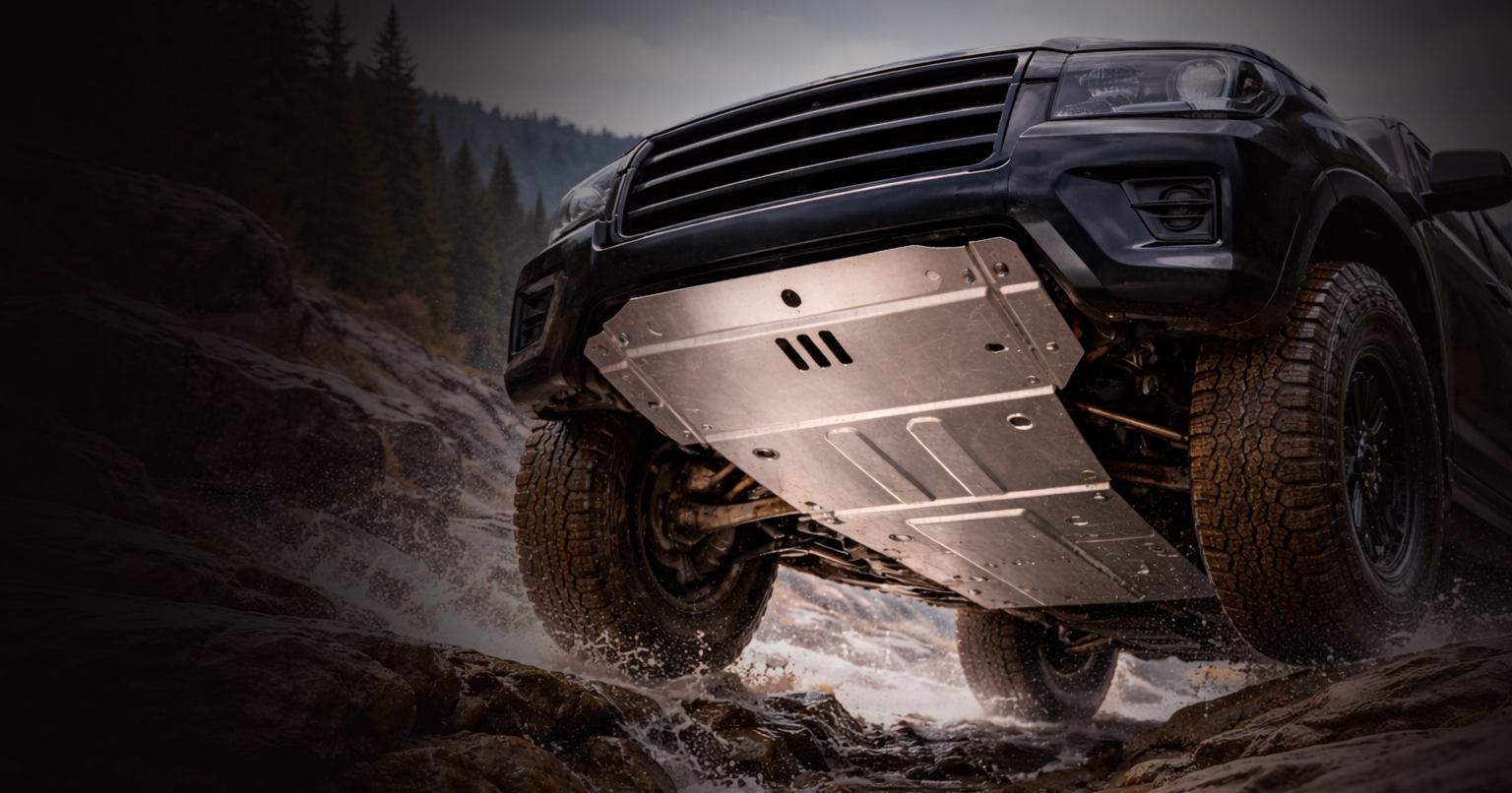
For many drivers, a skid plate looks like an accessory for lifted 4×4 builds rather than something relevant to everyday cars, estates and crossovers. In reality, underbody contact can also happen during normal road use, especially on broken asphalt, deep potholes, high curbs, gravel roads and in winter conditions.
The important question is not whether a vehicle is used off road. It is whether vulnerable components underneath the vehicle are realistically exposed in the conditions where the car is normally driven.
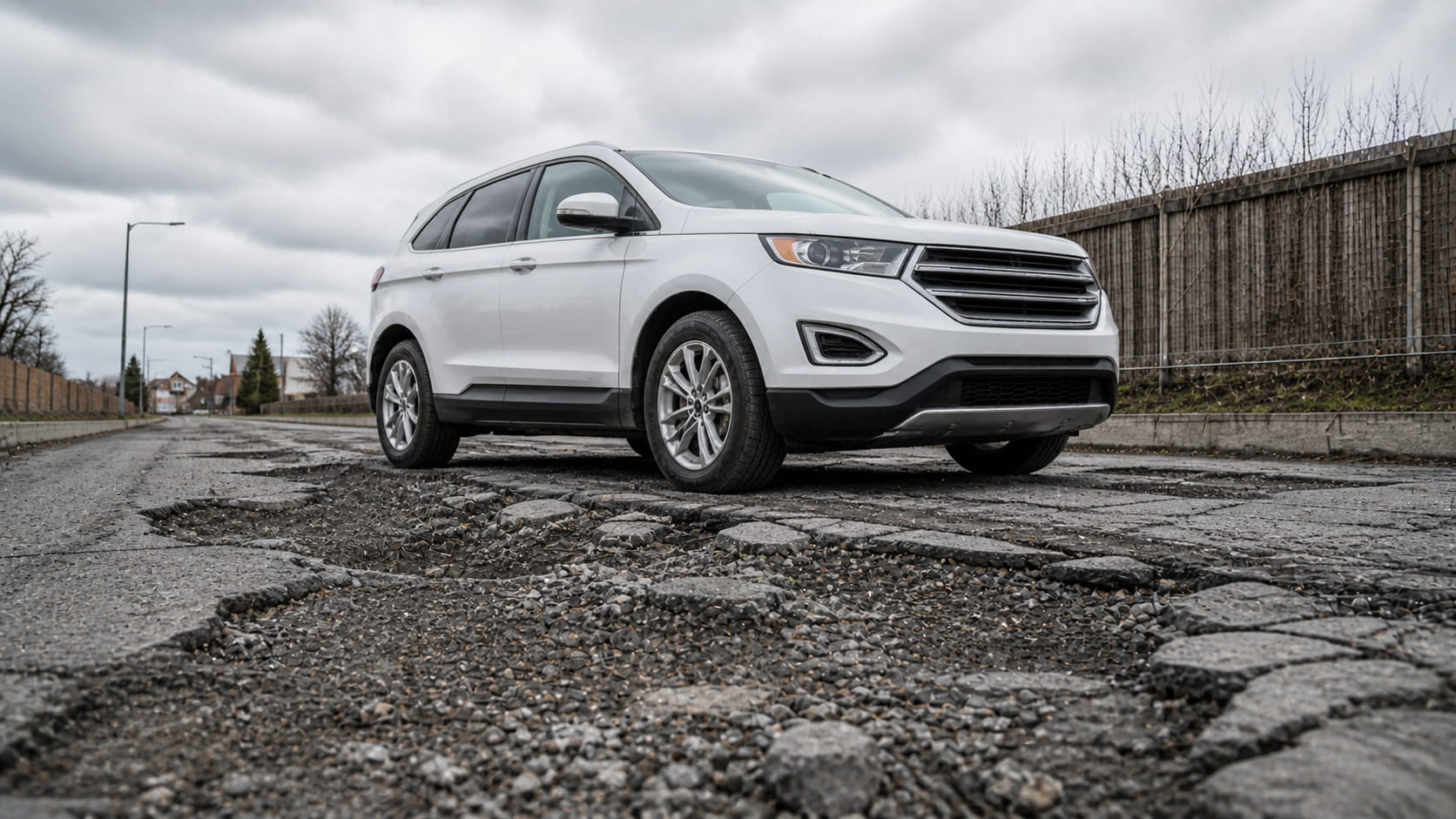
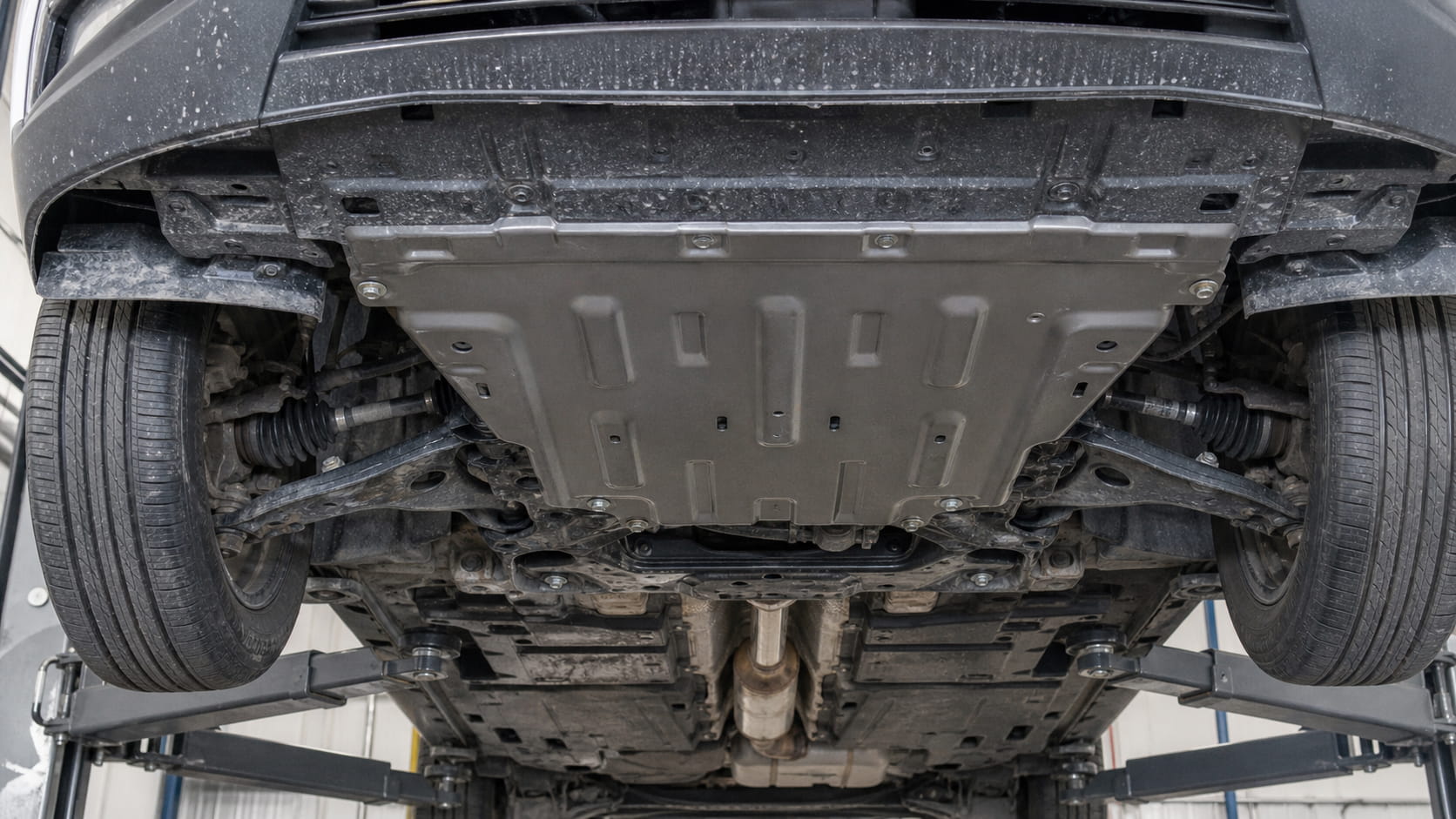
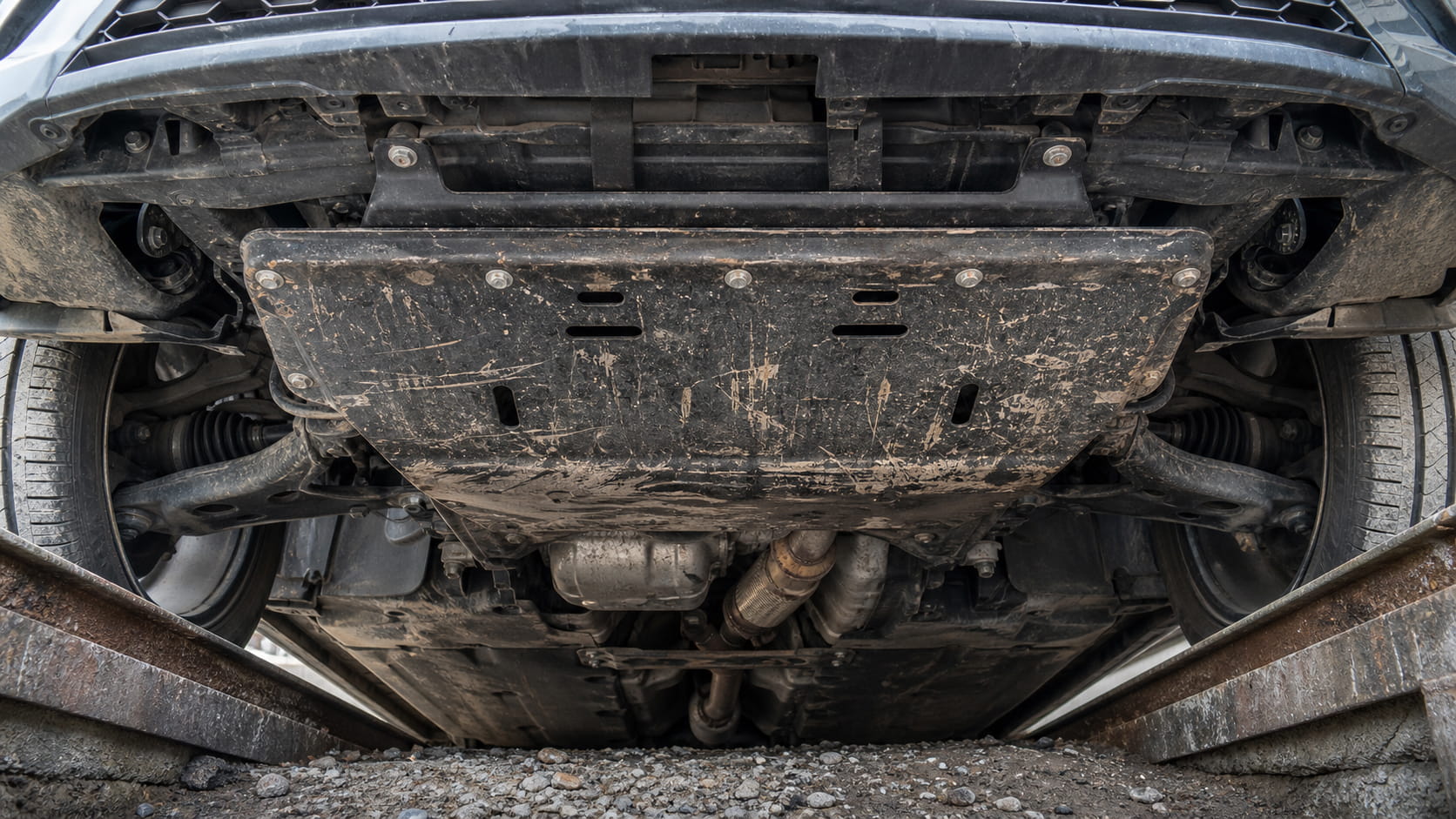
Under the vehicle there may be several vulnerable components with relatively low mounting positions. Depending on the vehicle, these can include the oil pan, gearbox casing, differential, exhaust, steering components, lower radiator area and fuel tank. Potholes, loose stones, high curbs and deeply rutted roads can expose these areas to direct contact.
A vehicle-specific skid plate creates a physical barrier between the road and the protected component. Steel and aluminium plates can help distribute an impact across the guard instead of allowing a concentrated strike to reach the component directly. Correct fitment, plate design, reinforcement and mounting points are as important as the material itself.
When Is a Skid Plate Most Useful?
You are more likely to benefit from a skid plate if you regularly drive on broken asphalt, roads with deep potholes or speed bumps, gravel and forest roads, rural access routes or in areas with harsh winters.
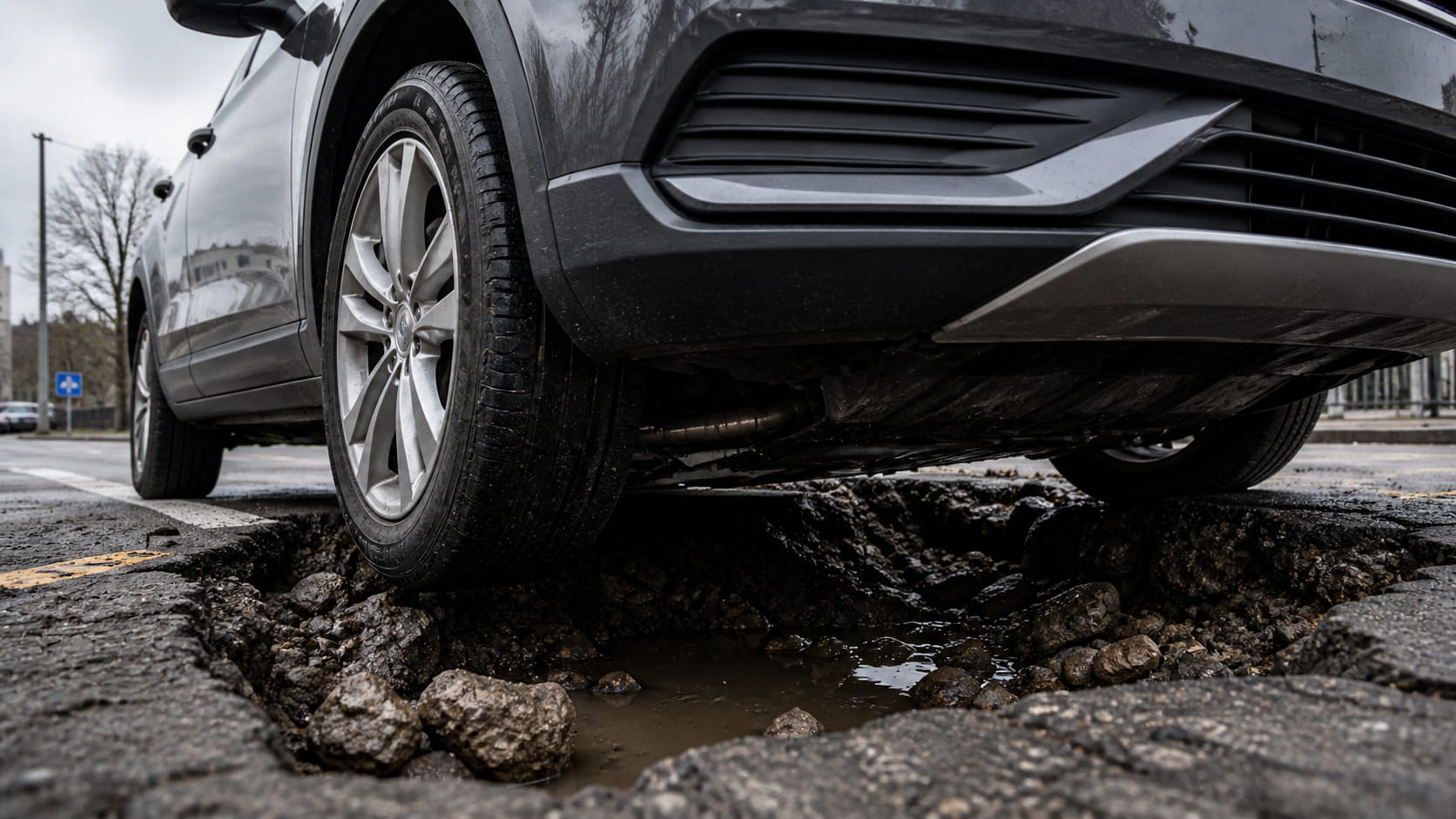
Frozen ruts, hidden stones beneath snow, compacted ice and broken road edges can reduce the available clearance beneath the vehicle. Even without leaving paved roads, a deep pothole can bring the oil pan, gearbox or another low-mounted component into contact with the road.
When Engine Protection Alone May Be Enough
Not every vehicle needs protection across the entire underside. If you mainly drive on well-maintained city and motorway surfaces, the vehicle has reasonable ground clearance and the centre or rear underbody components are well protected, the engine area may be the most relevant first priority.
In this situation, a vehicle-specific front skid plate can provide a practical level of protection without adding unnecessary guards to areas that have little realistic exposure. For example, the Toyota RAV4 2018–2026 2 mm steel skid plate is a vehicle-specific application covering the listed engine, front bumper, gearbox and radiator areas.
You can also browse protection by vehicle brand for Volkswagen, Ford and Toyota.
When Broader Underbody Protection Makes Sense
For vehicles regularly used on poor roads, gravel, deep ruts, winter routes or light off-road tracks, the engine may not be the only exposed area. The gearbox, radiator, transfer case, differential or fuel tank can sit farther back underneath the vehicle and may require separate protection.
The correct setup should follow the actual underbody layout and the components exposed in normal use rather than simply installing the largest available protection kit.
For a detailed comparison of engine-only protection and wider coverage, read our engine skid plate vs full underbody protection guide.
So, Do You Really Need a Skid Plate?
A skid plate is most justified when there is a realistic chance that an exposed component can contact potholes, broken road edges, gravel, ice, compacted snow or raised ground during the way you actually use the vehicle.
If the underside already has adequate protection and the vehicle is used only on good roads with little risk of contact, additional protection may be less urgent. If important components remain exposed, especially on a low-clearance vehicle or one regularly used on damaged roads, adding vehicle-specific protection becomes much easier to justify.
If your main question is whether the purchase is financially justified compared with possible repair, towing and downtime costs, read our separate guide to whether a skid plate is worth the cost.
Underbody Protection FAQ
Do I really need a skid plate if I only drive on roads?
Possibly. Off-road driving is not required for underbody contact to occur. Deep potholes, high curbs, speed bumps, broken asphalt, compacted snow and winter road damage can expose the oil pan, gearbox or other low-mounted components to impact. The need depends on the vehicle’s actual clearance, factory protection and normal driving conditions.
Is drilling required to install a skid plate?
Many vehicle-specific skid plates are designed around existing mounting points, but installation requirements are product-specific. Check the installation instructions and mounting hardware supplied for the exact skid plate before fitting it.
Will a skid plate reduce ground clearance?
The effect depends on the plate design and installed position. A correctly designed vehicle-specific plate should follow the underbody closely and should not hang lower than necessary. Always check the finished installation and clearance around the protected components.
Which material is better, steel or aluminium?
Neither material is automatically better for every vehicle. Steel is commonly selected where repeated or concentrated impacts are expected, while aluminium can reduce weight and does not develop conventional red iron rust. The correct choice also depends on plate thickness, shape, reinforcement, mounting design and intended driving conditions.
For a detailed comparison, see our steel vs aluminium skid plate guide.
Product Compatibility Help
Not sure whether you need a skid plate or which protection zone is appropriate for your vehicle? We can help confirm compatibility before you order.
- Send us your vehicle make, model, production year and engine.
- Alternatively, provide your VIN or chassis number and the skid plate you are considering.
The vehicle configuration, underbody layout and intended protection zone should be checked before ordering so that unnecessary or incompatible protection is avoided.
You can browse our full range of vehicle-specific underbody protection or use the GuardPass™ VIN compatibility checker.
