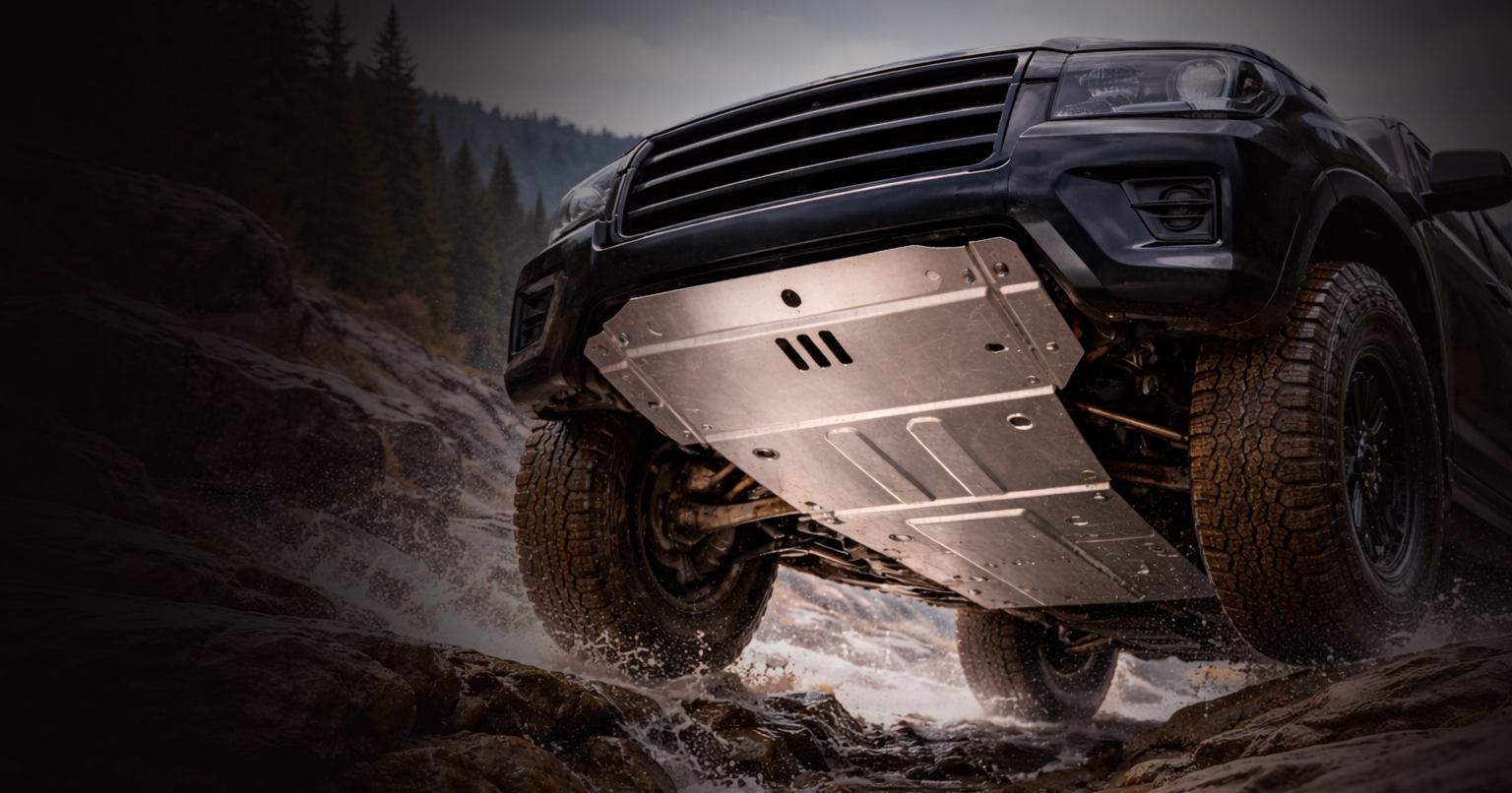
Dacia Duster Skid Plate Guide by Generation: What to Protect from 2010 to 2026
The Dacia Duster is available in several generations, drivetrains and engine configurations, so there is no single skid plate that fits every vehicle from 2010 to 2026. The correct Dacia Duster underbody protection depends on the model year, engine, transmission, 4×2 or 4×4 layout and the component you want to protect.
For many owners, an engine and gearbox skid plate is the first priority. Vehicles used on gravel roads, damaged rural roads, construction sites or light off-road routes may also benefit from protection for the radiator area, fuel tank, AdBlue tank or rear differential. Selected Duster Hybrid versions may require a separate battery skid plate.
Quick answer: choose the protection by Duster generation and drivetrain, not by the model name alone. Start with the engine and gearbox, then consider the exposed rear or auxiliary components fitted to your exact vehicle.
Why the Duster Generation Matters
Dacia has changed the Duster platform, powertrains and underbody layout over time. A plate designed for a first-generation vehicle will not automatically fit a second- or third-generation Duster, even when it protects the same component.
Production-year ranges may also overlap around facelifts and market introductions. Registration year alone is therefore not always enough. The VIN, engine, drivetrain and mounting layout should be checked before ordering.
| Duster generation | Typical listed years | Available protection areas | Main fitment check |
|---|---|---|---|
| First generation | 2010–2017 | Engine, gearbox, radiator area, front bumper area, fuel tank, rear differential and selected diesel-related components | Model year, engine and 4×2 or 4×4 drivetrain |
| Second generation | 2018–2024 | Engine, gearbox, radiator area, front bumper area, fuel tank, AdBlue tank, rear differential, DPF and EGR-related areas | Engine type, emissions equipment and drivetrain |
| Third generation | 2024–2026 | Engine, gearbox, radiator area, front bumper area, rear drivetrain and selected Hybrid battery applications | Exact powertrain and rear-drive configuration |
Dacia Duster 2010–2017: Start with the Front Underbody
On first-generation Duster models, the main choice is usually between basic engine and gearbox protection and a wider plate that also covers the lower front bumper and radiator area.
A 2 mm steel engine and gearbox skid plate for the 2010–2017 Duster provides focused protection for the front powertrain area. Wider steel or aluminium options may be more suitable where the vehicle regularly encounters loose stones, frozen road debris, deep ruts or uneven tracks.
Four-wheel-drive versions may have additional exposed components farther back. Depending on the exact configuration, separate protection may be available for the fuel tank and rear differential. For example, the listed Duster 2010–2017 fuel tank skid plate is intended for compatible applications and should not be selected without confirming the drivetrain and mounting points.
Some diesel versions also have specialised plates listed for DPF, EGR or Stop&Go-related areas. These are not universal diesel guards: the protected component and year range must match the individual product specification.
Dacia Duster 2018–2024: More Protection Zones to Check
The second-generation Duster has one of the widest selections of underbody protection in the range. Available products include focused engine and gearbox plates, wider front protection, fuel tank guards, AdBlue protection, rear differential plates and specialised shields for selected diesel-related components.
For general road and rough-road use, the 2 mm steel engine, front bumper, gearbox and radiator skid plate provides broader front coverage than an engine-only plate. A compatible aluminium alternative may be preferred when lower weight and corrosion resistance are more important.
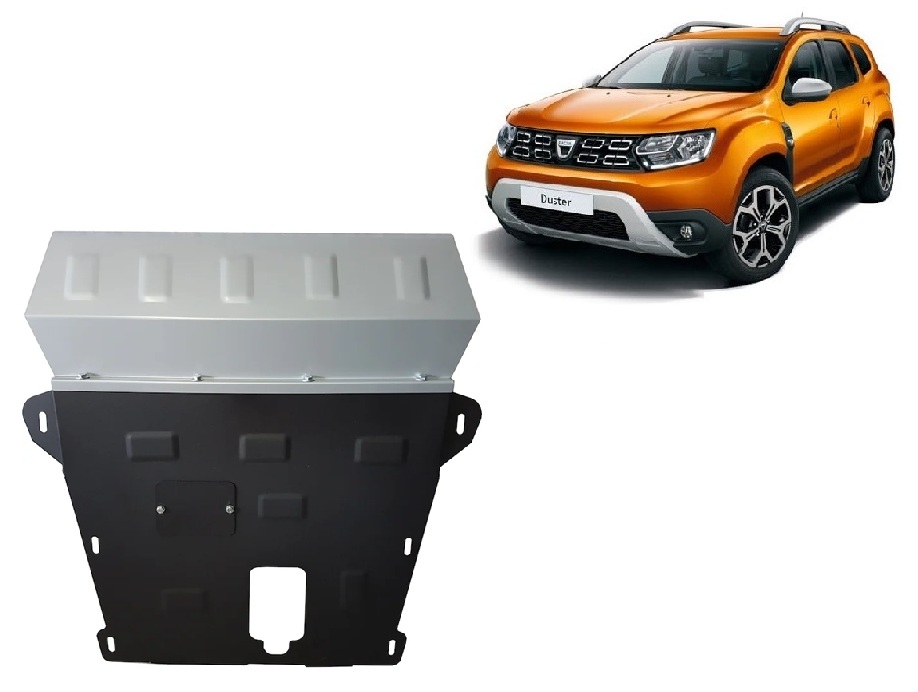
Drivers of diesel models should check whether an AdBlue tank is installed and exposed. The Dacia Duster 2018–2024 AdBlue tank skid plate is a separate component-specific product; it does not replace engine or gearbox protection.
On compatible 4×4 versions equipped with the relevant rear differential, a separate rear differential skid plate for listed 2014–2024 Duster 4×4 applications can protect the rear drivetrain housing from stones, ridges and contact on uneven ground.
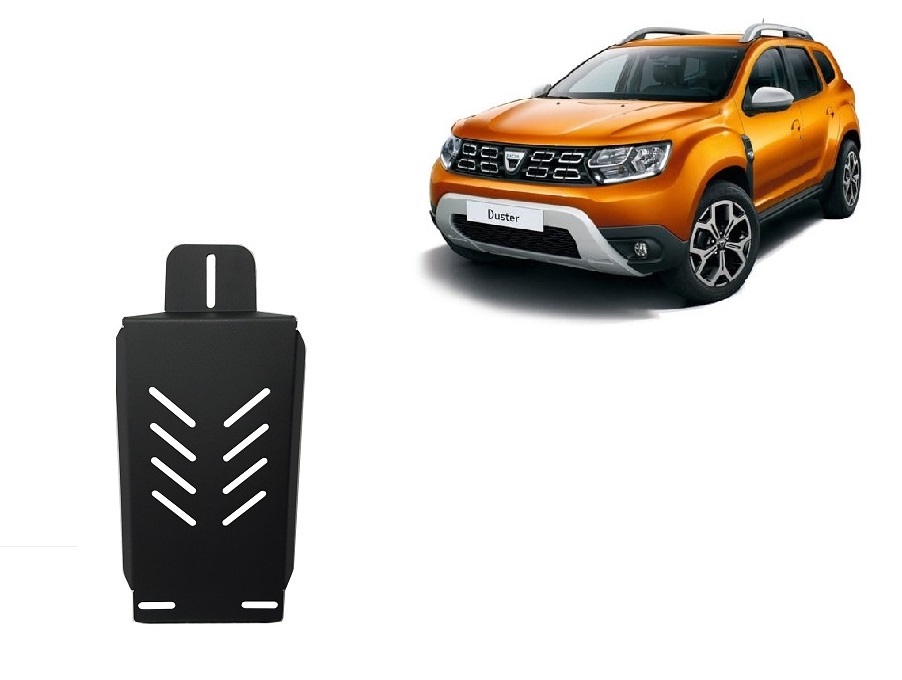
Dacia Duster 2024–2026: Check the Powertrain Carefully
The third-generation Duster introduces a wider range of electrified powertrains and drivetrain layouts. Depending on the market and model year, vehicles may be front-wheel drive, mechanically driven 4×4, full hybrid or a newer electrified 4×4 configuration. These systems do not use identical underbody layouts.
For compatible vehicles, the Dacia Duster 2024–2026 engine and gearbox skid plate offers focused front protection. A wider 3 mm steel plate covering the engine, front bumper, gearbox and radiator areas is available for listed applications where broader coverage is required.
Rear differential protection applies only when the vehicle has the compatible rear drivetrain and mounting layout. A Hybrid badge alone does not confirm that a conventional rear differential plate will fit. This is particularly important as Dacia powertrain options can change during the same advertised year range.
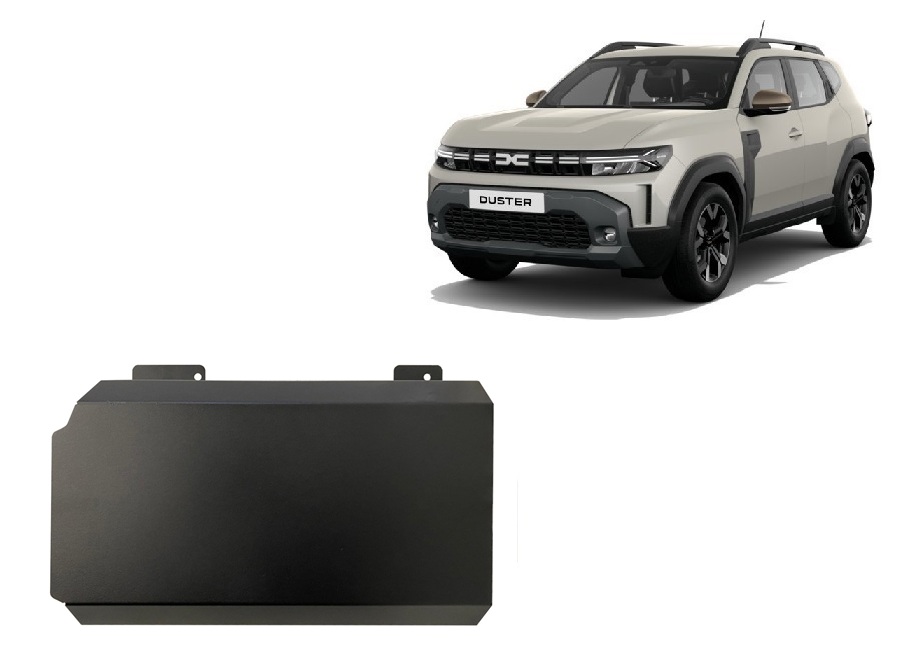
A separate 2 mm steel battery skid plate for listed Dacia Duster Hybrid 2024–2026 applications is also available. The product listing notes that it must be paired with the required engine skid plate. Confirm the exact Hybrid version and installation combination before purchase.
For a broader explanation of how hybrid battery areas, engine protection, cooling components and drivetrain layouts affect skid-plate selection, see our hybrid skid plate guide.
4×2, 4×4 and Hybrid Are Separate Fitment Questions
It is important not to treat 4×4 and Hybrid as interchangeable descriptions.
- 4×2 models do not use the same rear drivetrain layout as conventional 4×4 versions.
- Mechanical 4×4 models may have a rear differential that can accept a dedicated skid plate.
- Full-hybrid or mild-hybrid models have additional electrical components, but the Hybrid designation alone does not determine whether the vehicle is front-wheel drive or 4×4.
- Electrified 4×4 systems may use a rear electric drive arrangement rather than the conventional rear differential layout used by earlier versions.
For this reason, do not order rear differential or battery protection using only “Duster Hybrid” or “Duster 4×4” as the vehicle description. Confirm the VIN and exact powertrain.
Which Duster Underbody Area Should You Protect First?
| Protection area | When it becomes a priority | What to confirm |
|---|---|---|
| Engine and gearbox | Usually the first choice for potholes, gravel roads, winter debris and uneven surfaces | Generation, engine, gearbox and mounting layout |
| Radiator and lower front area | Useful where the lower front area is exposed to stones, frozen debris or ruts | Coverage and required airflow |
| Fuel or AdBlue tank | Relevant for exposed tanks on compatible vehicles used on rough or unpaved roads | Fuel type, tank position and product year range |
| Rear differential | Useful for compatible 4×4 vehicles driven over ruts, stones and uneven tracks | Exact rear drivetrain; not required on ordinary 4×2 models |
| DPF, EGR or Stop&Go-related area | Only where a matching component-specific plate is listed | Diesel specification, component name and model years |
| Hybrid battery | For the exact Hybrid application covered by the battery plate | Hybrid type, required companion plate and mounting layout |
Steel or Aluminium for a Dacia Duster?
Steel is often selected when repeated impacts, rough tracks or demanding work use are expected. Aluminium offers lower weight and strong resistance to conventional red-rust corrosion. Actual protection depends not only on the material but also on thickness, reinforcement, shape and mounting design.
A thicker aluminium plate is not automatically stronger than every steel plate, and a heavier plate is not automatically better. Choose the material only after confirming that the product fits the exact vehicle and protects the required area.
For a more detailed comparison, read our guide to steel vs aluminium skid plates.
Fitment Checklist Before Ordering
Use the following information to select the correct Dacia Duster skid plate:
- 17-character VIN;
- production and registration year;
- Duster generation or facelift;
- engine and fuel type;
- manual or automatic transmission;
- 4×2, mechanical 4×4 or electrified rear-drive configuration;
- Hybrid or non-Hybrid powertrain;
- the exact component that needs protection;
- existing plates, modifications or non-standard equipment.
When the configuration is uncertain, use the GuardPass VIN guide or send us the VIN for a manual compatibility check.
Installation and Service Access
Vehicle-specific Duster skid plates are designed for the mounting points shown in the supplied installation instructions. The plate should sit correctly before final tightening and must not be forced into position, drilled or bent to compensate for incorrect fitment.
After installation, check the clearance around the exhaust, engine, gearbox, cooling system and moving components. The plate must not block required airflow or drainage. Fasteners should be rechecked after the first journeys and after significant impacts.
Some plates may need to be removed during oil changes or other maintenance. This is normal when removal and reinstallation are included in the service procedure. Learn more in our guide explaining whether a skid plate can affect cooling, noise or vehicle service.
Conclusion
The best Dacia Duster skid plate setup depends on the generation, drivetrain and road conditions. Engine and gearbox protection is the practical starting point for most vehicles. Wider front protection, fuel tank, AdBlue, rear differential, diesel-component or Hybrid battery guards should be added only when those areas and mounting points match the exact Duster configuration.
Browse all Dacia Duster underbody protection options by model year, material and protected component. If you are unsure which plate fits, send us the VIN before ordering.
FAQ
What skid plate should I install first on a Dacia Duster?
For most vehicles, engine and gearbox protection is the first priority because these components sit in the front impact zone. Wider protection may also cover the radiator and lower front bumper area.
Does every Dacia Duster 4×4 need a differential skid plate?
No. A differential skid plate is relevant only when the vehicle has the compatible rear differential and mounting layout. Confirm the drivetrain and model year before ordering.
Does a Dacia Duster Hybrid need battery protection?
A battery skid plate may be useful when a compatible battery area is exposed, but it must match the exact Hybrid powertrain. Hybrid versions can use different battery and rear-drive layouts, so the badge alone is not enough to confirm fitment.
Can one skid plate fit every Duster from 2010 to 2026?
No. The Duster has several generations and underbody configurations. Use the product’s stated year range and confirm the VIN, engine, transmission and drivetrain.
Is steel or aluminium better for Duster underbody protection?
Steel is often preferred for harder or repeated impacts, while aluminium reduces added weight and offers strong corrosion resistance. Plate thickness, reinforcement and mounting design are also important.
Do Dacia Duster skid plates require drilling?
The listed vehicle-specific products are designed for the specified mounting arrangement and are supplied with installation instructions. Never drill or modify the vehicle to compensate for a plate that does not match the exact configuration.
