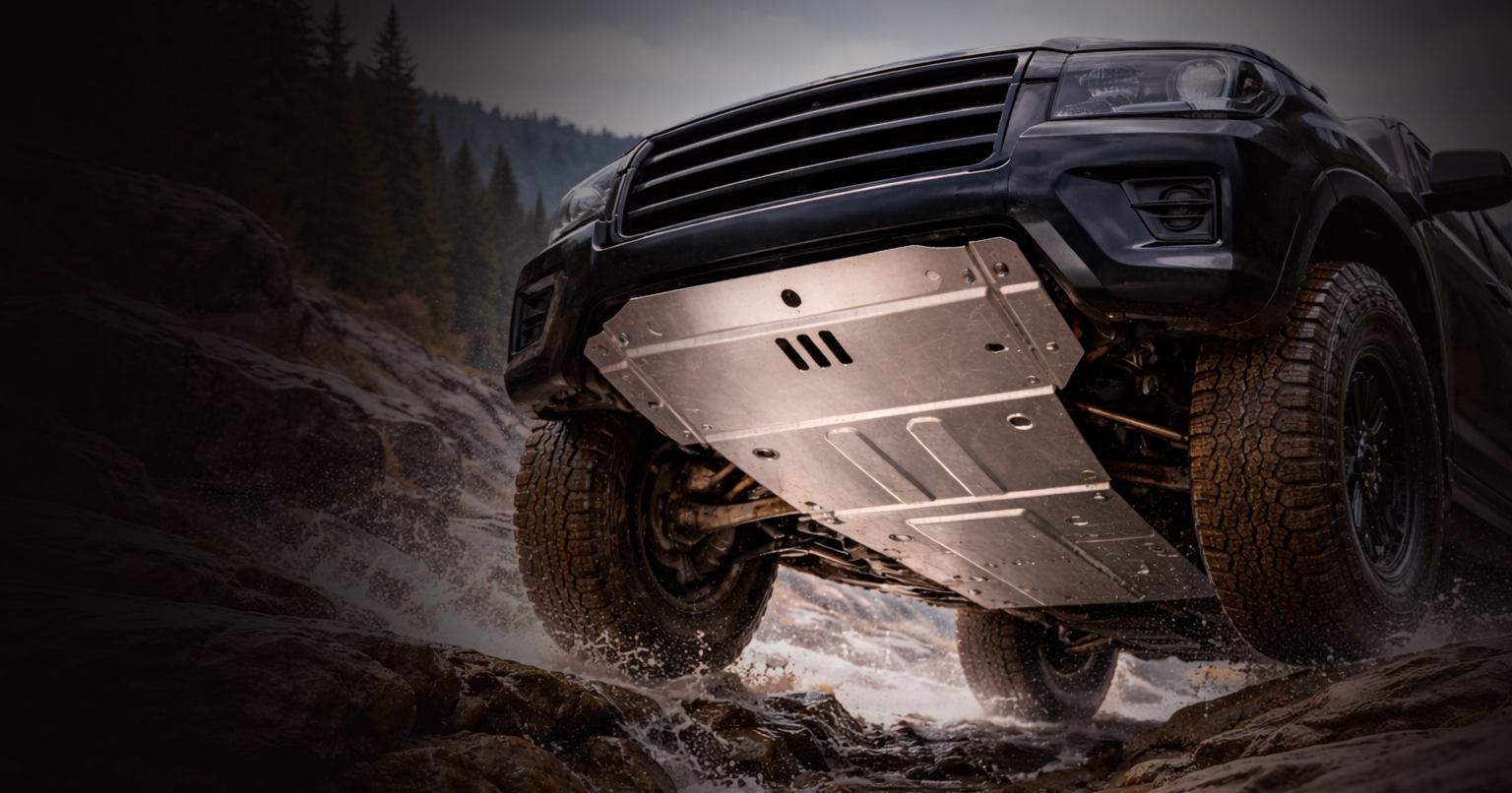
Differential Skid Plate: When Do You Need Front or Rear Differential Protection?
A differential can be one of the more exposed drivetrain components underneath an AWD or 4×4 vehicle, especially where the housing sits low or close to the road surface. Rocks, deep ruts, raised track centres and other obstacles can create direct contact with the differential housing or surrounding drivetrain components.
A differential skid plate creates a vehicle-specific metal barrier beneath the exposed differential area. Depending on the vehicle, protection may be designed for the front differential, rear differential or as part of a wider engine and drivetrain protection system.
This guide explains when differential protection is useful, how front and rear differential protection differ and why drivetrain configuration must always be checked before ordering.
What Does a Differential Skid Plate Protect?
A differential skid plate is designed to reduce direct exposure of the differential housing and nearby vulnerable areas to impacts from below.
Depending on the vehicle and product design, the protected area may include:
- front differential housing;
- rear differential housing;
- lower differential casing;
- drain-plug or lower-cover area;
- nearby drivetrain mounting points;
- connected engine or underbody zones where the plate provides combined coverage.
The exact coverage is product-specific. A plate described as engine protection does not automatically protect the differential, and a rear-differential plate does not provide protection for the gearbox or transfer case.
Front Differential vs Rear Differential Protection
Front and rear differentials occupy different positions beneath the vehicle and can face different impact risks.
| Protection zone | Typical exposure |
|---|---|
| Front differential | Front-underbody impacts, rocks, road edges and obstacles entering beneath the engine area |
| Rear differential | Raised track centres, rocks, deep ruts and obstacles passing beneath the rear axle area |
| Combined protection | A wider plate or multi-zone system protecting the differential together with the engine or another drivetrain component |
Vehicle layout determines which differential is exposed and whether a dedicated plate is required. Not every AWD or 4×4 vehicle uses the same drivetrain arrangement.
When Is Differential Protection Worth Considering?
Differential protection becomes more relevant when the differential housing is positioned low enough to be exposed to obstacles passing underneath the vehicle.
Typical risk conditions include:
- deep wheel ruts with a raised centre;
- rocky tracks;
- forestry and agricultural roads;
- construction-site access routes;
- large embedded stones;
- broken rural roads;
- compacted snow and frozen ridges;
- light off-road or overland travel;
- frequent driving with increased vehicle load.
Differential protection is not automatically necessary for every AWD or 4×4 vehicle. Ground clearance, axle layout, factory shielding and the position of the differential should be checked first.
Example: Toyota Land Cruiser 250 Front Differential Protection
The Toyota Land Cruiser 250 2024–2026 engine and front differential skid plate is an example of combined front protection. The product is made from 3 mm steel and is listed to protect both the engine and front differential areas. It is listed for all engine variants and has a stated weight of 10 kg.
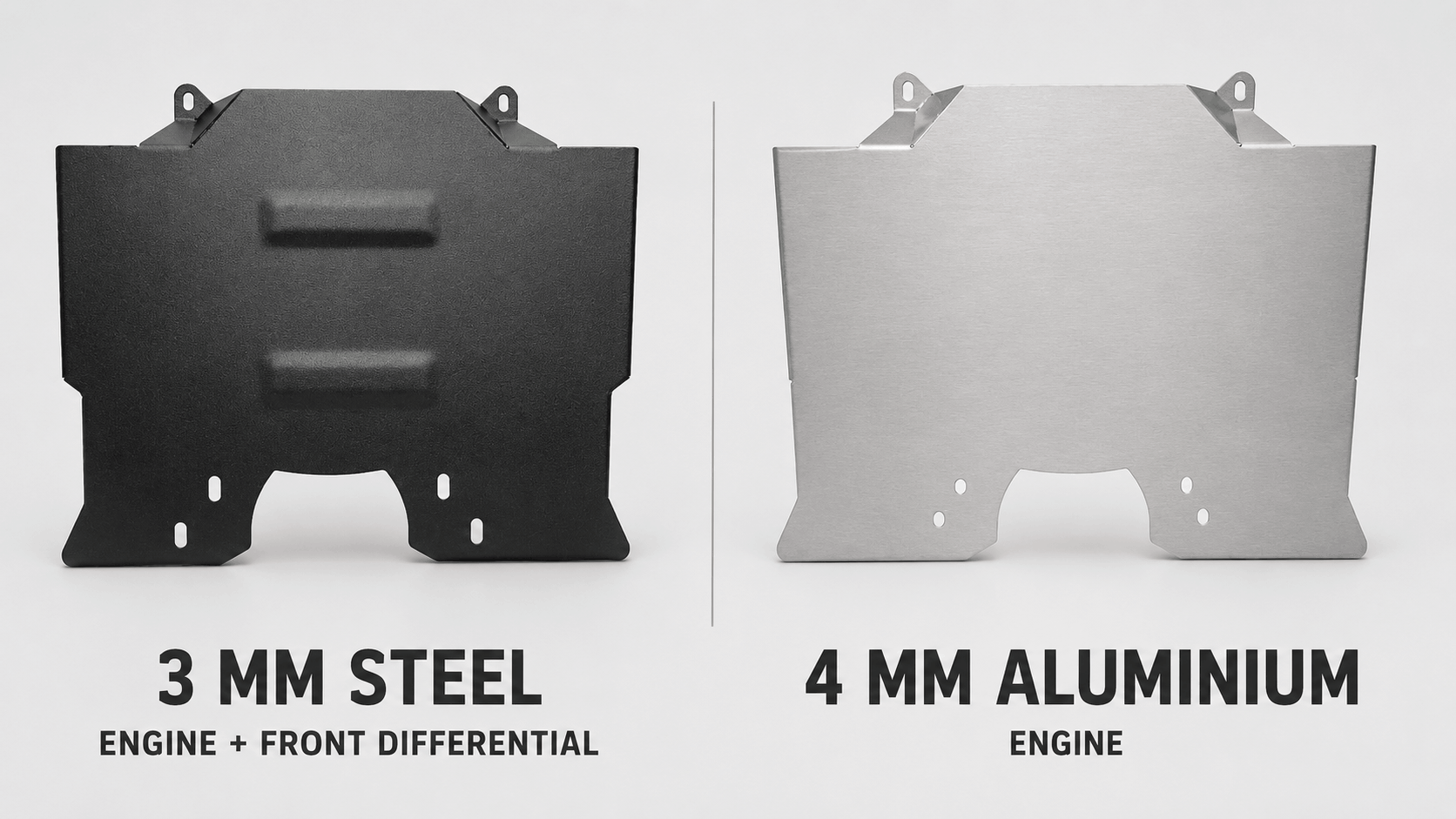
This configuration shows why the stated protection zones matter. On this application, the front differential is protected together with the engine rather than by a separate differential-only plate.
For a vehicle-specific comparison of LC250 front coverage, see our Toyota Land Cruiser 250 engine and front differential protection guide.
Example: Suzuki S-Cross 4WD Differential Protection
The Suzuki S-Cross 4WD 2013–2026 differential skid plate is a dedicated differential-protection example. It is made from 3 mm steel, weighs 3 kg and is listed specifically for the 4×4 application.
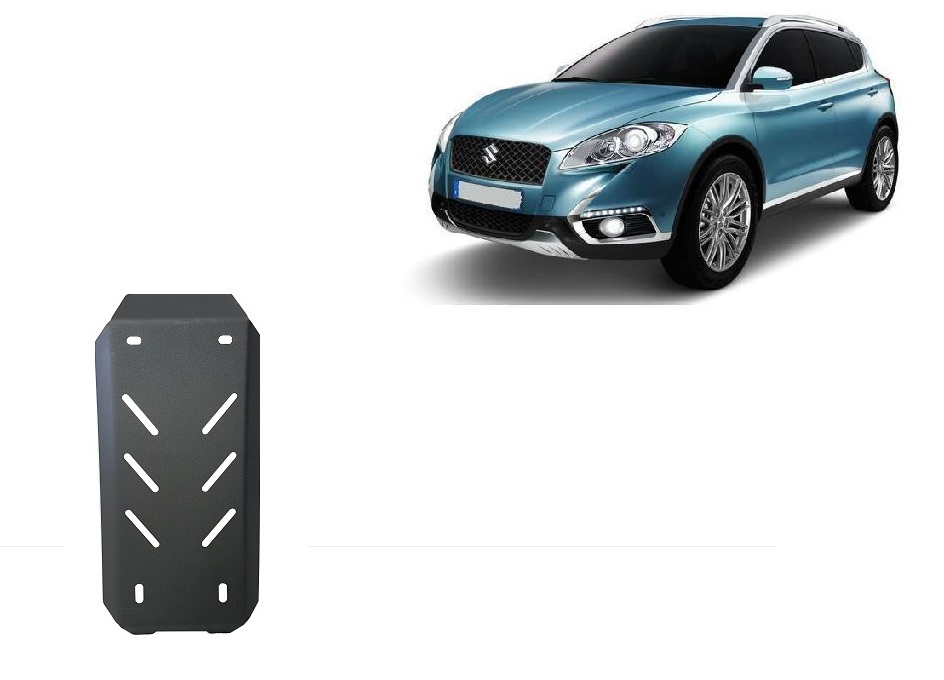
This is an important fitment distinction. A differential plate intended for a 4×4 drivetrain should not be assumed to fit a two-wheel-drive version of the same vehicle because the underbody layout and mounting points can differ.
Example: Dacia Duster 4×4 Rear Differential Protection
For compatible Dacia Duster 4×4 applications, the Dacia Duster 4×4 2014–2024 rear differential skid plate is a dedicated rear-drivetrain protection example. The plate is designed for the listed rear differential area and should only be selected when the vehicle has the compatible 4×4 drivetrain and mounting layout.
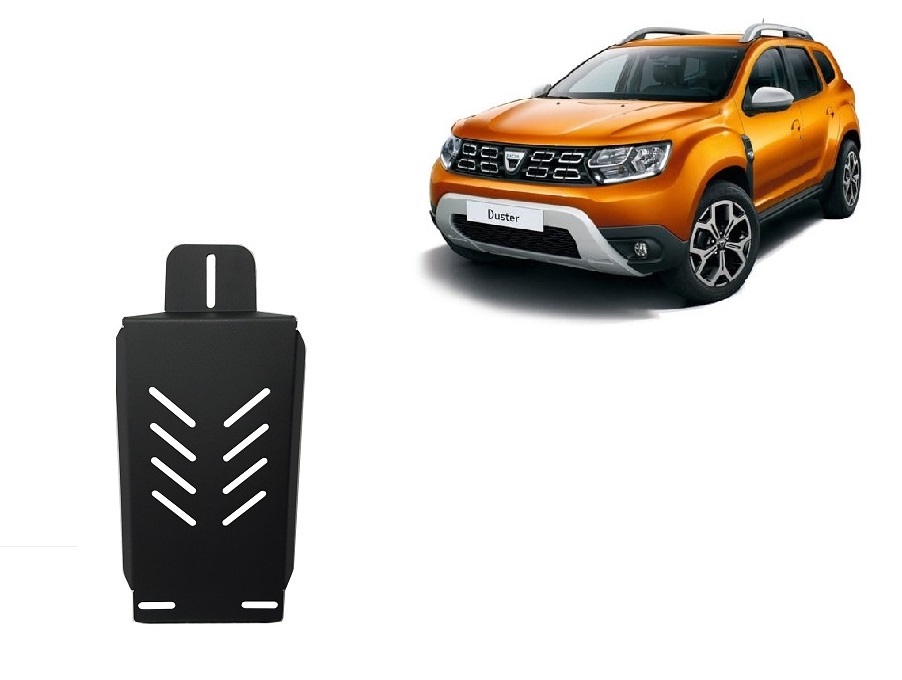
This example shows why rear differential protection is drivetrain-specific. A rear differential plate should not be ordered for a 4×2 or another drivetrain configuration unless the exact product listing confirms compatibility.
Why Deep Ruts Are a Differential Risk
Deep wheel tracks can create a raised centre section beneath the vehicle. The wheels may remain inside the ruts while the centre of the vehicle moves close to the ground.
On AWD and 4×4 vehicles, this can expose drivetrain components that sit behind the engine or between the axles. A differential housing may contact a hard ridge, embedded stone or frozen section even after the front of the vehicle has passed the obstacle.
Driving speed, load, suspension compression, tyre size and ground clearance all affect how much space remains between the differential and the road surface.
Differential Protection on Gravel Roads
Loose gravel itself usually causes lighter repeated impacts, but rough gravel roads can also contain large embedded stones, washouts and raised track centres.
Differential protection becomes more relevant when gravel-road driving is frequent and the drivetrain housing is visibly exposed below surrounding components.
For a broader assessment of which zones should be protected first, see our underbody protection for gravel roads guide.
Can Potholes Damage a Differential?
A normal pothole impact usually reaches the tyres, wheels and front-underbody areas first, but severe road defects can also reduce temporary ground clearance or cause the underside to contact a raised road edge.
Whether the differential is at risk depends on its position and on where the vehicle contacts the road surface.
For a broader explanation of impact damage beneath the vehicle, read our pothole and underbody damage guide.
Differential Protection for Winter Roads
Compacted snow and frozen ruts can create hard raised surfaces beneath a vehicle. Snow may also hide rocks, potholes and road edges that would normally be visible.
After a strong winter impact, inspect the differential skid plate, mounting points and surrounding drivetrain area for deformation, loose fasteners, fluid leakage or unexpected contact.
For additional winter risks, see our winter underbody protection guide.
Differential Protection vs Gearbox and Transfer Case Protection
The differential, gearbox and transfer case are separate drivetrain components and may occupy different protection zones.
A gearbox or transfer-case skid plate does not automatically protect a front or rear differential. Likewise, a differential skid plate should not be treated as complete drivetrain protection unless the product description explicitly lists additional zones.
If the gearbox or transmission area is also exposed, see our gearbox skid plate guide.
Where the vehicle also has an exposed fuel tank, our fuel tank skid plate guide explains when rear or centre-underbody tank protection should be considered.
Steel or Aluminium Differential Skid Plate?
Both steel and aluminium can be suitable for differential protection when the plate is correctly designed for the exact vehicle.
- Steel is commonly chosen where repeated concentrated impacts and demanding road use are expected.
- Aluminium does not develop conventional red iron rust and can provide a useful balance between protection and weight depending on plate design.
Thickness alone does not determine protection performance. Material grade, formed shape, reinforcement, mounting points and impact direction must also be considered.
Material choice should be made only after confirming that the plate protects the correct differential and fits the exact drivetrain. A material comparison is secondary to correct coverage and mounting compatibility.
For a broader material comparison, read our steel vs aluminium skid plate guide.
When Differential Protection May Not Be Necessary
A differential skid plate may be a lower priority when:
- the differential housing sits well above the lowest underbody components;
- effective factory shielding is already present;
- the vehicle is used almost entirely on smooth roads;
- the drivetrain configuration does not include the differential type covered by the product;
- another exposed component represents a clearly higher protection priority;
- no compatible vehicle-specific plate is available.
The goal is not to install every available skid plate. Protection should be selected according to the actual exposed components beneath the exact vehicle.
Check Drivetrain Compatibility Before Ordering
Before ordering differential protection, confirm:
- vehicle make and model;
- production year;
- engine;
- transmission;
- 2WD, AWD or 4×4 drivetrain;
- front or rear differential configuration;
- exact stated protection zone;
- vehicle-specific mounting compatibility.
Do not assume that a plate fits every version of the same model simply because the production years overlap.
If compatibility is uncertain, use our VIN compatibility check before ordering.
What Should Be Checked After an Impact?
After significant contact beneath the differential area, inspect:
- the skid plate for bending or cracking;
- bolts, brackets and mounting points;
- clearance between the plate and differential housing;
- the differential casing and lower cover;
- drain-plug and seal areas;
- signs of gear-oil leakage;
- new vibration, knocking or drivetrain noise.
A badly deformed plate should not be left pressing against the differential housing. The protection and mounting system should be inspected before continued rough-road use.
Conclusion
A differential skid plate is most useful when the front or rear differential is genuinely exposed to rocks, deep ruts, raised track centres, frozen road surfaces or other direct underbody impacts.
The correct protection depends on drivetrain layout. Some vehicles use a dedicated rear-differential plate, while others combine front differential protection with engine protection.
Check the exact protected zone, drivetrain, model year and mounting layout before ordering. Differential protection should be selected for the actual vehicle configuration rather than simply because the vehicle is described as AWD or 4×4.
FAQ
What does a differential skid plate protect?
It is designed to reduce direct exposure of the front or rear differential housing and nearby vulnerable drivetrain areas to impacts from below. Exact coverage depends on the specific product.
Does every AWD or 4×4 vehicle need differential protection?
No. The need depends on the location of the differential, ground clearance, factory shielding and the roads the vehicle regularly uses.
Is front differential protection the same as rear differential protection?
No. They are different protection zones. A product designed for a front differential should not be assumed to protect or fit the rear differential, and vice versa.
Does a gearbox skid plate protect the differential?
Not automatically. The gearbox, transfer case and differentials are separate drivetrain components. Check every product’s listed protection zones.
Is steel or aluminium better for differential protection?
Both materials can be suitable. The correct choice depends on the product design, impact exposure, corrosion environment, vehicle weight and intended use rather than thickness alone.
How do I know if a differential skid plate fits my vehicle?
Confirm the model, year, engine, transmission, drivetrain and whether the product is intended for the front or rear differential. If anything is uncertain, confirm fitment by VIN before ordering.
